
You Don’t Need More Discipline.
You Need to Slow Down
by Rochelle Melander
Last Monday, I took a walk during my lunch hour. Between Show Up and Write and several meetings, I had a busy day. I was walking fast, thinking about where I was going, when CrAsH! I faceplanted on the sidewalk, blood spurting from my split lip. My watch rang and flashed a message, “It looks like you’ve had a hard fall. Shall we call emergency services?”
After I told my watch, “No;” checked for broken teeth (none); and stood up, I had a strange feeling. Did the world just stop? I wondered: Why am I always in such a hurry?
Then I went home, cleaned up, and hopped on my next call. Because I still hadn’t learned my lesson.
Slow Down to Speed Up
When I worked as a coach at a local college, my colleague and I wrote a presentation to help students finish strong. We brainstormed a list of tools. My colleague tried to convince me of this point, “You need to slow down to speed up.”
What? How does that work? I asked.
She explained. I got it.
But did I? After I fell, I did go to the emergency room for stitches. But then I kept a week of back-to-back appointments.
It took until the weekend for me to finally clear my calendar.
What happens when we slow down?
I’m still learning what it means to slow down. And how it benefits us.
When we slow down:
- We make better plans.
- We work at a consistent pace and take breaks instead of working at maximum capacity.
- We’re able to stay more focused.
- We can go deeper with our work.
- We’re less likely to make mistakes.
- We communicate better (because we have time to share information).
- We have more time to reflect on what’s working and what’s not.
- We feel less stressed.
We’re not the first to take the slow path
Looking around at my writing mentors, I can see that many of them didn’t chase a deadline-driven life, like we do today. Instead, they worked steadily over years to produce their work.
Charles Darwin was sick most of his life with stomach distress. In fact, it was so bad, he worked for only a few hours a day. Before and after his three hours of work, he’d rest, listen to his wife read to him, and take a walk. He tried many interventions—the water cure, dietary restrictions, and medicine—but nothing healed him. Still, Darwin didn’t stop being a productive scientist. Perhaps the rest time, combined with deliberate work, gave Darwin time to think about what he was discovering as he dissected barnacles or did experiments in his home.
Georgia O’Keefe didn’t become productive by doing more. She became more productive when she stepped away from the busyness of New York and settled in New Mexico. There she developed her distinctive style as a painter. And here’s something interesting: During her career, O’Keefe took breaks from painting to deeply focus on drawing.
Toni Morrison worked on her own writing in the quiet hours before work. She didn’t wait for when she had a whole day or week to write. She also didn’t rush to write every day. She respected when she experienced writer’s block, taking time off so that the work could emerge when it was ready.
These writers didn’t succeed because they pushed harder and faster. They thrived because they created conditions—quiet, space, limits, or retreat—that allowed their minds to work the way they needed to.
What’s the takeaway?
Not many of us have the kind of writing career that requires we produce something substantial every twenty-four hours.
But some of us work as if we do.
And why not? The world feels like it’s on fire, and we must respond!
Here’s my advice to me this week. Maybe it will help you, too:
Slow down.
Let go of anything that’s not necessary.
Choose the most important thing right now and focus on that.
Pause frequently. Think like Darwin and take breaks.
If you’d like to join us at our slow, deliberate writing sessions, try Show Up and Write. You’ll love the focused writing time.
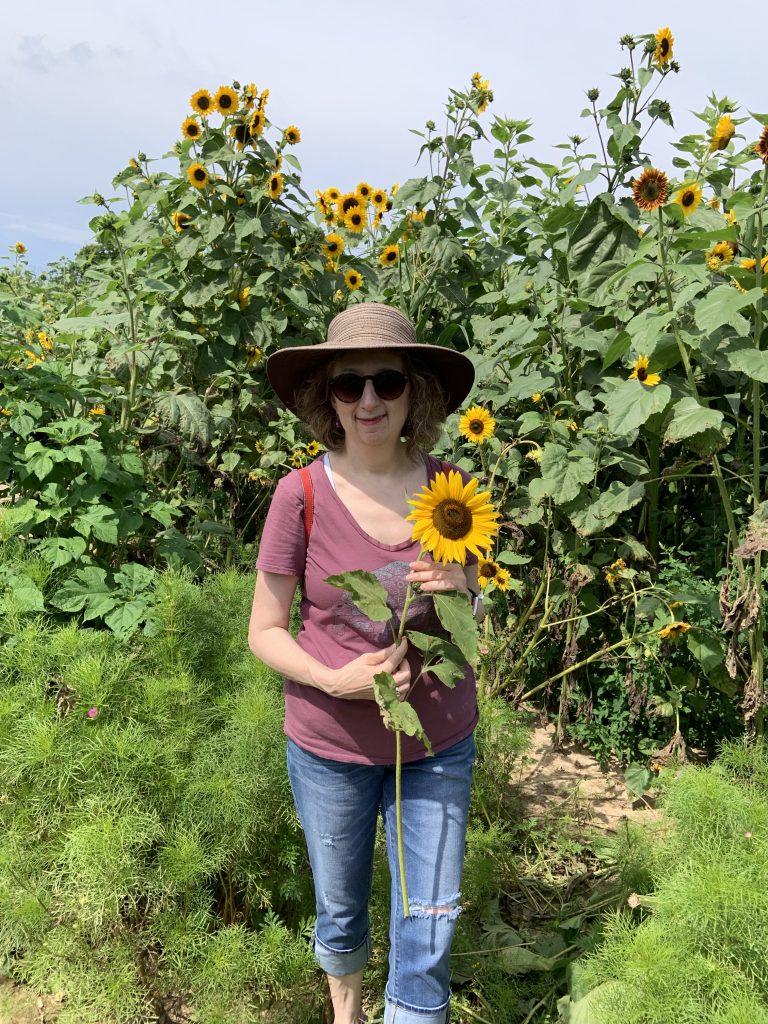
Write Now! Coach Rochelle Melander is an author and ADHD-trained professional certified coach. She helps wildly creative people get stuff done. From writing and publishing books to finishing that work project–she’s got you covered. If you’re struggling to start or finish a project, connect with Rochelle to create a personalized plan for overcoming procrastination, dealing with distraction, and staying focused. Book a private consultation: https://writenowcoach.com/consultation/