(and Preserve Your Writing Time)
by Rochelle Melander
“If something is not a “hell, YEAH!,” then it’s a “no!” – James Altucher
At the beginning of fall, the days feel open and full of possibility. I feel like I can do it all—all the classes and clients and projects—and still write.
Of course I can’t. When I try to do too much and say yes to obligations that don’t make my heart sing, I end up letting go of writing time. And then I feel resentful.
When my children were in elementary school, I got recruited for role in the Parent-Teacher Association. I attended the first meeting—at seven-freaking-o’clock in the morning. (It’s not that I’m opposed to early mornings, it’s just that I like to enjoy them in private, without talking to strangers. Oh, and that’s my writing time. It’s my habit to get up and write before the day gets going.
Before the meeting was over, all participants—except me—were in favor of me chairing the committee. “No way, no how,” People pushed back with the same kind of guilt-inducing statements I’d heard when I worked as a pastor: But we need you. If you don’t volunteer, who will? Don’t you care about the kids?
I don’t remember all the details, but I’m pretty sure I resigned later, in writing, with a commitment to serving in a way that worked for me. And I did. I taught creative writing to many classes at the school while my daughter was a student—the kind of work I charge money for at other schools.
Why is saying no so difficult?
We tend to avoid conflict—and saying no might disappoint another person. We don’t want to damage relationships. We may fear that our refusal might reflect badly on us.
If you tend to be a people pleaser, it’s even harder to say no. You may have learned as a child that the kindness and love of others depended on how you behave. When you set a boundary, your nervous system feels uncomfortable, even endangered. This may mean saying no is harder for you. You may need to sweat through a few boundary-setting sessions before you can say no with ease.
How to make saying no easier
Saying no is a kind and firm way of setting a boundary around yourself. It protects you. It protects your time. And it protects your writing. That doesn’t make it easy.
Say, I Don’t. Vanessa Patrick, author of The Power of Saying No, suggests using the term, “I don’t” instead of “I can’t.” She believes it feels and sounds more powerful. It also leads to fewer follow up questions. I might have been better off saying, “I don’t do morning meetings.” Full stop.
Be firm and kind. Patrick also encourages people to say no warmly. Thank the person for asking you, tell them how much you value them, lean in and smile—and then say no.
Create policies. I coach for a company with clear boundaries. When a client asks me to break them, I can easily say, “No, that’s against the company policy.” We can learn from businesses and create policies that guide our decision making. The experience at the school led me to decide that I volunteer only in ways that support my expertise and experience. Everything else becomes a hard no.
Pause. I’ve developed a policy to always pause when someone asks me a favor. I tell the person I need time to think about it. The research shows that when someone asks us in person, we are 33 times more likely to say yes. Employing a “PAUSE” gives us the opportunity to think about the ask, measure it against our policies, and then say no through technology.
Take care of you
I’m learning to say no earlier, when someone asks, when my stomach drops at the thought of whatever it is they’re offering, when I feel like saying yes will make my life miserable. When I say no, I know I am taking care of myself and protecting my writing time.
Here’s what Anne Lamott says about saying no:
My therapist, Rita, has convinced me that every time I say yes when I mean no, I am abandoning myself, and I end up feeling used or resentful or frantic. But when I say no when I mean no, it’s so sane and healthy that it creates a little glade around me in which I can get the nourishment I need. Then I help and serve people from a place of real abundance and health, … —Anne Lamott, Operating Instructions
Here’s my challenge to you this fall. Decide what you want to do with your time. Do you have a writing project you want to start or finish? Do you have a project you need to get out into the world?
Schedule time. Grab your calendar and block out your writing time. Say no to anything that threatens to interrupt your creative work.
Start small. Say no to frittering away your time on social media.
Once you’ve taken back time from your internal distractions, set boundaries with other people. Say no to commitments during your genius time. Say no to tasks that eat up your creative power. Say no to people who suck up your life force.
And then enjoy the feeling of doing what you’d promised yourself you’d do: writing and creating.
Need support? Join my Show Up and Write group and get welcomed to writing practice three times a week!
TL; DR
How to Say No
We need to set boundaries around our writing time.
Saying no is difficult because we want to avoid conflict and please others. We worry people won’t like us.
Make it easier for you by:
+Saying, “I don’t” do that.
+Create policies ahead of time so you don’t have to guess in the moment.
+Pause and tell the person you need to think about it.
Start small. You can do it!
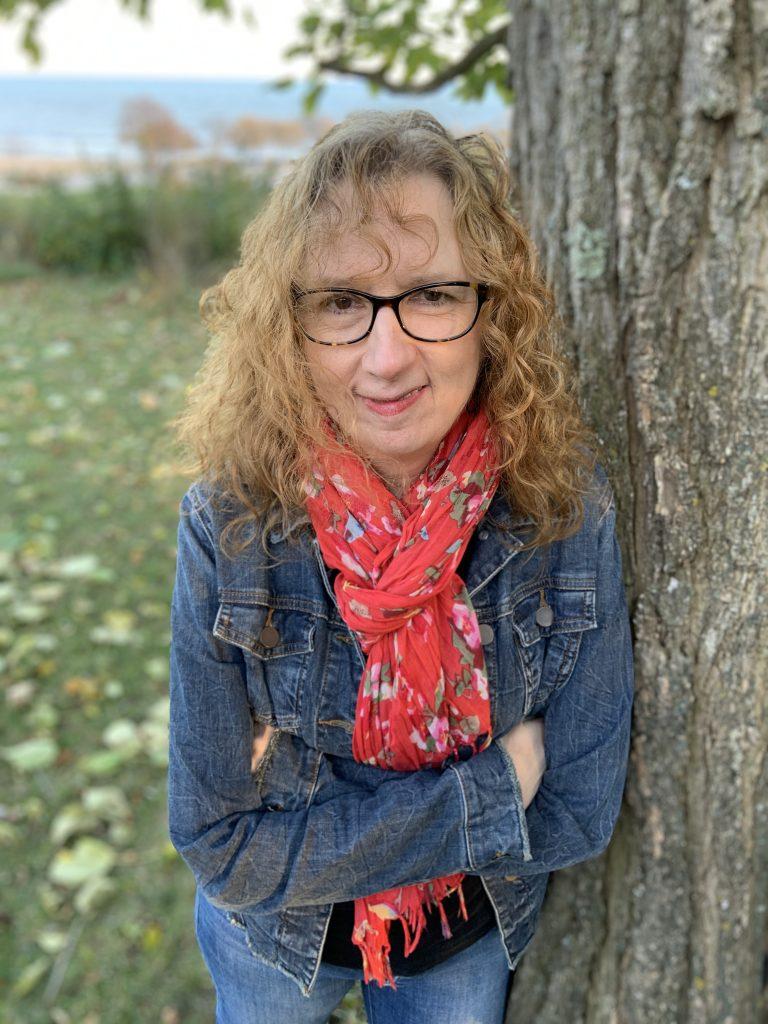
Write Now! Coach Rochelle Melander is an author and ADHD-trained professional certified coach. She helps wildly creative people get stuff done. From writing and publishing books to finishing that work project–she’s got you covered. If you’re struggling to start or finish a project, connect with Rochelle to create a personalized plan for overcoming procrastination, dealing with distraction, and staying focused. Book a private consultation: https://writenowcoach.com/consultation/