An Interview with Jane Rubietta
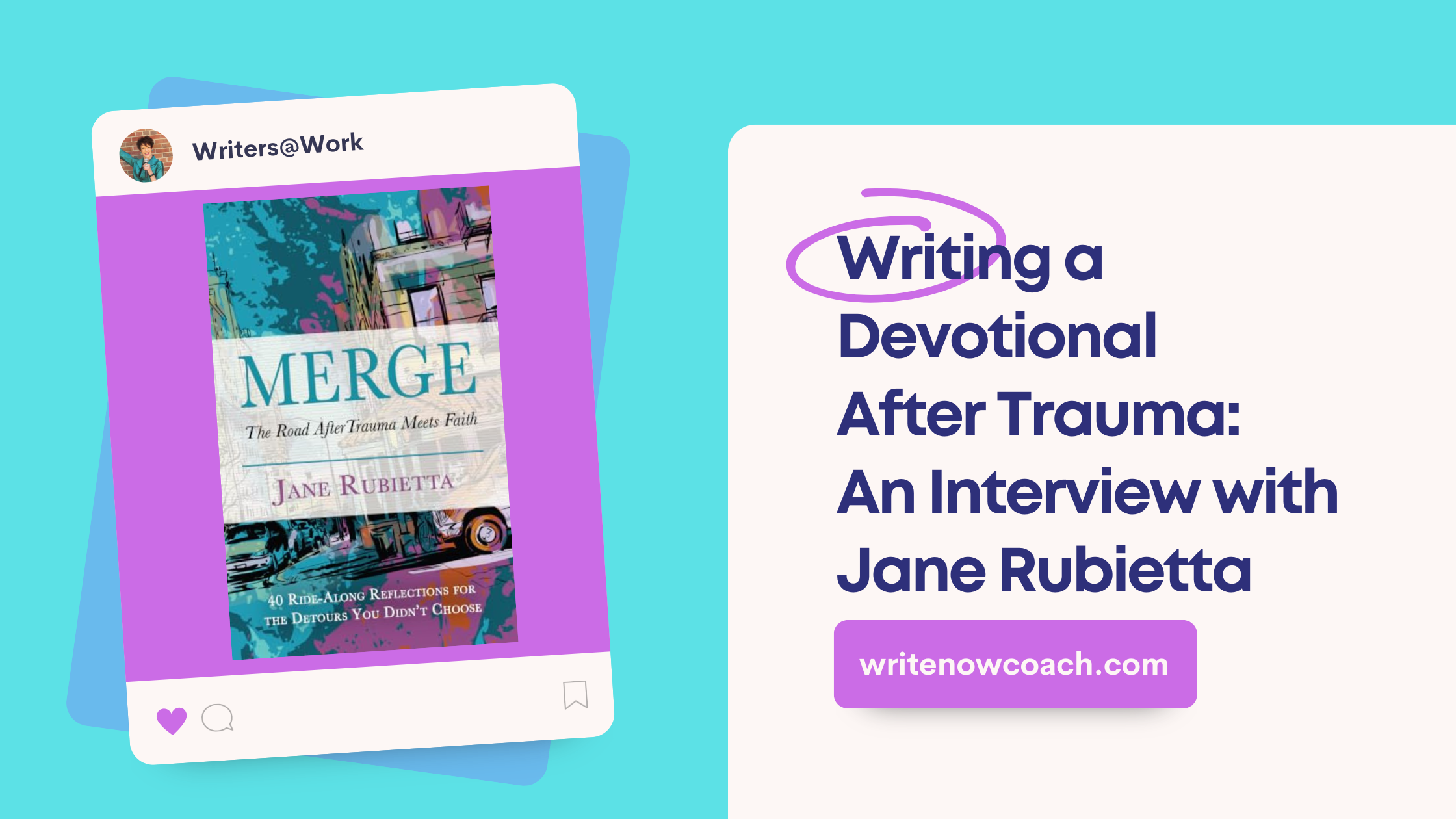
Welcome to the blog, Jane! Tell us about your new book, Merge: The Road After Trauma Meets Faith.
Rochelle, thank you for this invitation! With a sub-subtitle of “40 ride-along reflections for the detours you didn’t choose,” it’s a book for people trying to get through another day as trauma unspools their lives. Most people experience those unchosen events or seasons that change lives (and not necessarily for the better).
One morning, I took a walk, and an SUV plowed into me. The fire department was literally one-half a block away, thankfully, as they had minutes to save my life. A long list of injuries meant enormous changes in daily life, income, roles—and also my mobility, brain, and vision function.
Because life with trauma makes concentration difficult, I couldn’t bear to read an entire book on trauma, and pretty much refused to write anything about it for two years. Merge became the book I didn’t want to write!
What gave you the idea to write this as a devotional instead of a memoir or prescriptive non-fiction? What tips would you give readers who want to write a devotional with a memoir element?
The devotional idea seemed doable to me. I needed to write short because I could only read short. Plus, many of my books are devotional readings; I’m good at writing short. It also made sense given the density of a “chapter book” for people coping with trauma. Reading research in trauma, or experts’ ideas, can be daunting for survivors. Plus, memoir is a bit tilted toward people with either big names or phenomenal stories. I’m good at telling stories, but this felt more meaningful as a companion for people in pain.
For years, journaling has helped me know my own mind and was invaluable to me as I recovered. A traumatic brain injury makes connecting thought to thought, and then to actual spoken words, challenging. Writing forced me to do that. Rereading the journal reminded me of how much I forgot—and helped me see the common needs for other survivors.
These would be the most important tips: take good notes, line up the needs with the audience, then bring your heart and experience into the devotional. But make sure it connects with the audience. However, take good notes for healing, rather than with the idea of writing about them later—it is challenging to begin to monetize the healing. We put on our editor’s hat way too soon.
My clients who are memoir writers tell me that revisiting a difficult event can be just as traumatizing as living through it. How did you help yourself remember and write about these events? And how did you take care of yourself through the writing process?
Absolutely true. Trauma forms a bit of insulation at first, like swelling when you break a bone. It protects some people for a while. Recording it in a journal keeps a record—and rereading my pages I realized how emotionally hard it was on me. And on my partner.
I had to learn how to feel what I’d experienced again, honestly—survival doesn’t always include feeling the feelings. I reminded myself to breathe again through the hard parts and to take myself off-deadline. It was MY timeline, and when healing is a full-time job, deadlines have to be flexible when possible. I also did sensory activities: lots of walks (it helped that I couldn’t drive for over 2 years; I had to walk!), sitting in the breeze and actually feeling it, noticing a fragrance in the air and investigating it. Podcasts became my friend, and the library. Laughter is also healing, so watching funny shows or comedians shifted my brain/soul focus.
You do a lot of speaking to promote your books. What tips can you give our readers about beginning a speaking career?
A publisher will ask for a marketing plan, and whether you self-publish or not, you need a plan. Imagine your best book audiences and find groups connected to them. Then make a spreadsheet with contacts and details about connections made. Small gigs get books in people’s hands and help with word-of-mouth.
Also, I speak because I want to connect with people—plus sell books. Keeping the priority of the message is vital and keeps the speaking from being some money-making endeavor rather than a message you’re excited to share. (Sales are necessary, they just can’t be the sole reason for a speaking gig. I’m not going to minimize the need for income or the fun of it, either!)
I began speaking when a group read an article in a magazine—articles get the word out. There are some print magazines still around (believe it or not), and also a lot of online magazines.
What are you reading now?
I Belong to Me, by Tia Levings
The Serviceberry, by Robin Wall Kimmerer
The Things We Never Say, by Elizabeth Strout
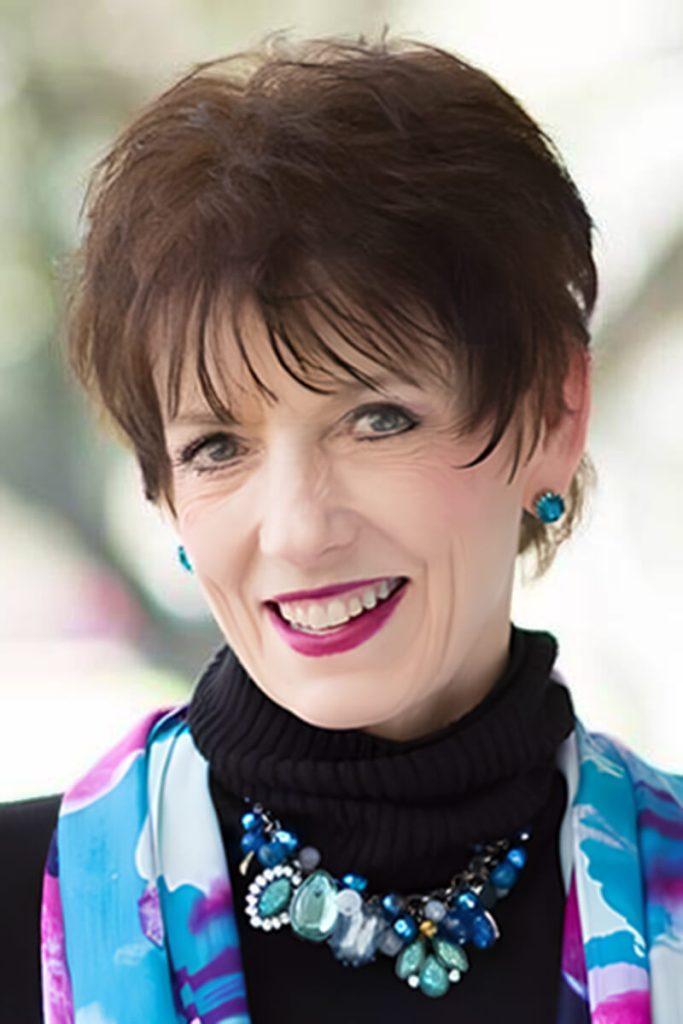
About the author. Jane Rubietta loves words, strong coffee, dark chocolate, walking under the stars (or moon or in the rain or on the beach). She uses her words to write books (she’s written over 20, non-fiction and fiction) and to deliver keynote speeches internationally, preach, and talk in real life. Find her at JaneRubietta.com, and on social media and YouTube.