How to Spark Creative Play
The 100-Day Project
by Rochelle Melander
With everything going on in the world, I’m struggling to focus and stay productive.
For the last two years, I’ve written about the 100-day project. Last year I tried it—and wowza! For 100 days, I wrote poetry every morning. Sometimes the poetry became pieces of larger projects. Sometimes I reflected on the emerging spring. When I was stuck, I’d just play with words. But the whole process engaged and energized me.
Last year, the 100-day project provided the container I needed make art. I had a dedicated time for creative play each day. Read on to learn more about the project and how to make it work for you.
What it is
Starting February 22, 2026, artists commit to doing something daily for 100 consecutive days. The creative task should take 5 to 15 minutes. Many participants share their work on Instagram with the hashtag #the100dayProject. But despite this, the project is more about process than product.
How it started
In 2006, Yale graphic design professor Michael Bierut assigned the 100-day project to his students: choose a design operation and repeat it daily. At the end of the 100 days, present it to class. The students created fascinating projects from the raw materials of life: 100 poems based on paint chips, dances in different places, sketches of ordinary objects, photographs of strangers, and more. The project was brought online in 2013 and has grown since then.
Three Ways to Try It
How will you make the 100-day project work for you? Artist EB Hawks suggests brainstorming project ideas—when the right one shows up, you’ll know it. Other artists have used it to stretch their skills, strengthen a particular skill, or learn a new technique. Lindsay Jean Thomson, leader of the 100-Day-Project, wrote about three unique goals for the project depending on what creative season you’re in.
Play. You need a break from everything that feels like work. You want to explore a new medium, like Flash Fiction, sketching, or watercolor.
Practice. You have skills you want to learn or polish. You want to deepen your work by practicing writing haiku, drawing faces, or using shading.
Produce. You need to finish. You’ve been dabbling at your art for too long and want to use the challenge to complete a project. Maybe you’ll write your manifesto, finish your book, or create a series of paintings.
How writers do it
Any way you want. Seriously. But if you need ideas and guidelines, here they are.
+Choose a single, simple project. Think small. You could write a poem a day or sketch out a scene for your novel. Need something smaller? Write a short journal entry, respond to a writing prompt, or practice writing in active voice.
+Keep it short. Write for 5-15 minutes a day. You can do that for 100 days.
+Contain it. Make it easier for yourself by writing in a small notebook or in a single computer document.
+Make it a habit. Tie your 5-15 minutes of writing to something you’re already doing each day. This might mean you write after your morning cup of coffee or right after dinner. Maybe you dictate a short memory while you take your morning walk. Or you take five minutes after lunch to discover and jot down a new word and what it means.
Try another kind of art
If you need to jumpstart your creativity, choose visual art or movement for your 100-day project. It will stretch your skills and support your brain in thinking differently. Learn a new skill, like crochet or sewing. Sketch something every day. Kate Bingaman-Burt has been sketching a daily purchase for 20 years. Go on a nature hunt and take a photograph every day. Learn a new dance move. Learn to play an instrument. The point is to play, experiment, and practice.
Practice Tips
You can increase your chances of success by preparing for the project.
+Assemble all the tools you need for the project before it starts.
+Create a dedicated space in your house for your 100-day project.
+If you’re writing, brainstorm a list of topics or scenes to choose from. If you’re doing visual art, create a list of subjects to help guide your practice.
+If you struggle to focus, use a timer to help set boundaries around your time.
+Connect to one other person who is doing the project and hold each other accountable.
+If you miss a day, don’t worry—just pick it up the next day.
Need support?
We don’t meet every day, but three times a week, you can join us at Show Up and Write to get stuff done: https://writenowcoach.com/show-up-and-write-writing-circles/
For more information
You can read more about it and sign up for the newsletter at https://www.the100dayproject.org/
If you are a social media type, follow them on Instagram @dothe100dayproject. Search the hashtag #The100DayProject to find and follow other artists who are participating.
TL; DR
Too long, didn’t read?
I get it. Life is busy. And that’s exactly why you need to try the 100-day project. The project will help you:
+Establish a creative habit.
+Explore a new technique or field, practice a skill, or complete a project.
+Use the hashtag #The100DayProject to connect with others online.
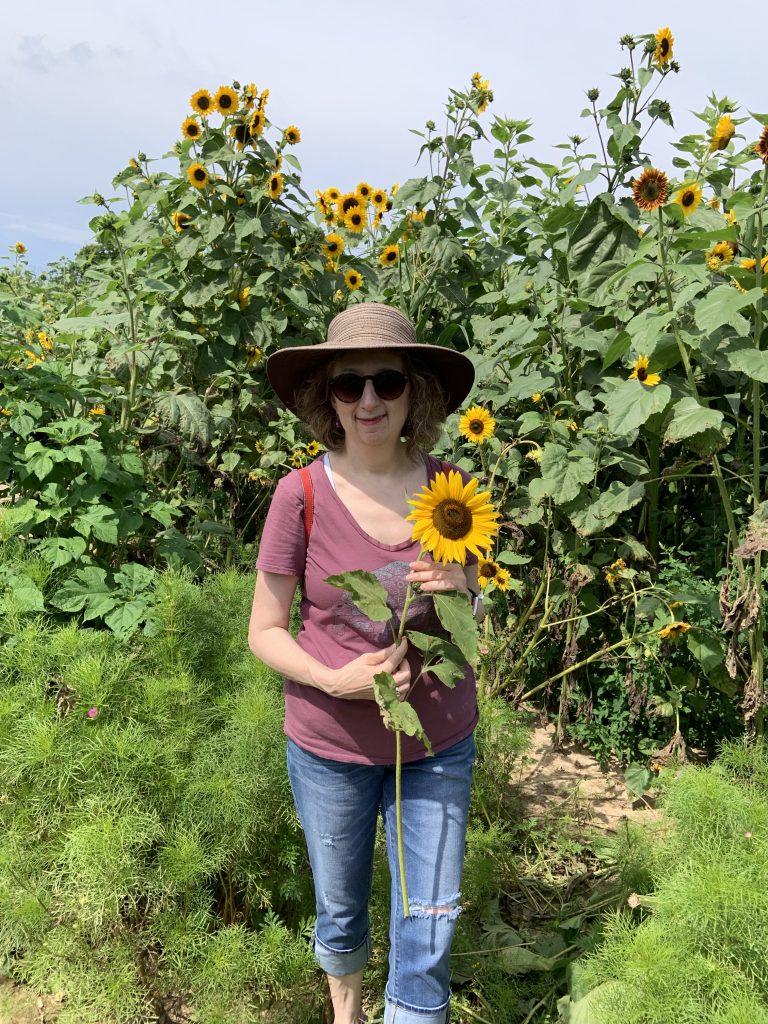
Write Now! Coach Rochelle Melander is an author and ADHD-trained professional certified coach. She helps wildly creative people get stuff done. From writing and publishing books to finishing that work project–she’s got you covered. If you’re struggling to start or finish a project, connect with Rochelle to create a personalized plan for overcoming procrastination, dealing with distraction, and staying focused. Book a private consultation: https://writenowcoach.com/consultation/